There is a meeting that happens once a year in most health systems. Finance presents service-line performance, clinical directors dispute the allocation basis, and everybody leaves having agreed nothing except that the exercise was frustrating.
The dispute is rarely about arithmetic. It is about a model the clinical side had no part in building.
Why the allocation is contested
Shared costs — theatres, imaging, pathology, overhead — have to be attributed somehow, and every method disadvantages somebody. Allocate theatre time by minutes and long complex cases look expensive. Allocate by case and short procedures look inefficient.
There is no neutral answer, which is exactly why the model has to be agreed rather than imposed. A defensible allocation that clinical leadership signed up to beats a technically superior one they dispute every year.
Build the model with both sides in the room
This is the step that determines whether the output gets used.
Agree the allocation drivers jointly, before any engineering starts
Write down the reasoning for each driver, not just the driver itself
Show the model against a period both sides already understand, so the result can be sanity-checked
Provide drill-through from service-line margin to the underlying transaction
Publish the driver definitions alongside the numbers, permanently
Why the data platform matters
Clinical volume sits in the EHR. Cost sits in finance. Payer performance sits in the revenue cycle system. Producing a joined view has historically meant a monthly extract exercise performed by one analyst, which is slow and — more importantly — unauditable.
Unifying these on a governed foundation changes both. The number arrives continuously rather than monthly, and any published figure can be traced back to source, which is what turns an internal report into something a board committee will act on.
The access dimension
Patient-identifiable data in an analytics platform requires deliberate design. Row-level security so a service line sees its own performance, minimum-necessary access applied through roles rather than policy, and an access log the compliance officer can actually review.
Design this before the first dashboard rather than after somebody notices. Retrofitting an access model onto a published semantic layer is disruptive and it always happens at the worst moment.
What changes
The annual argument stops. Portfolio decisions get made on a number both sides signed up to. And the clinical directors who were most sceptical tend to become the most active users, because for the first time the report reflects a model they helped build.
What to take away
The allocation dispute is about participation, not arithmetic
Agree drivers with clinical and finance leadership jointly, before engineering
Validate the model against a period both sides already understand
Provide drill-through to the transaction, or the number will be disputed
Design row-level access before publishing, not after somebody raises it
Where to go from here
We will build the cost model for one service line against your own data and walk your clinical and finance leads through it together, before anything is committed.
Recognise the problem?
If this describes your situation, tell us where it hurts most. We will tell you what it would realistically take to fix in your environment, what we would measure, and whether we think it is worth doing at all.
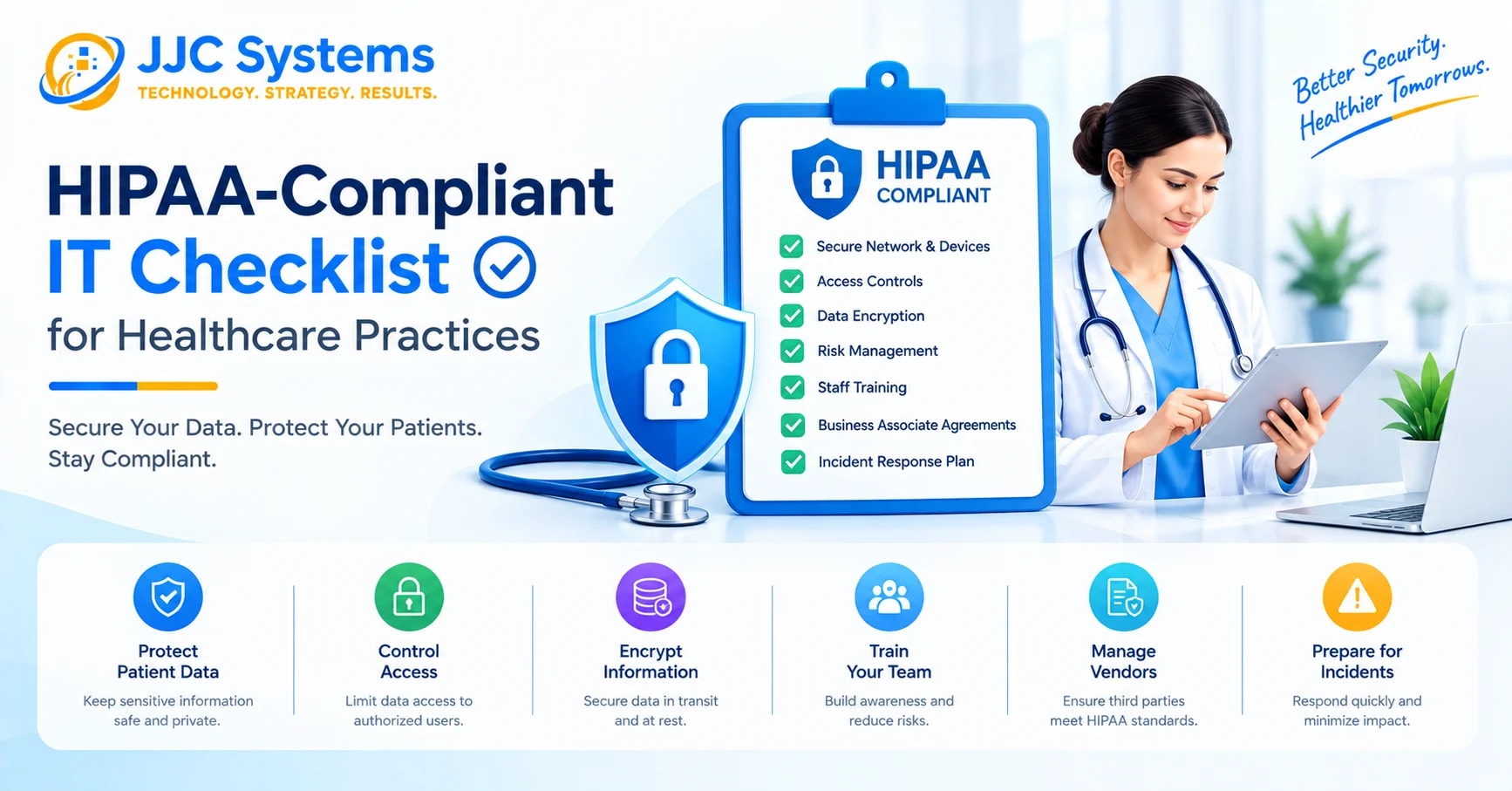
What does a HIPAA-compliant IT setup require? A practical checklist covering risk assessment, access control, encryption, and vendor BAAs — updated for the 2026 HIPAA Security Rule changes that made several previously "addressable" controls mandatory.
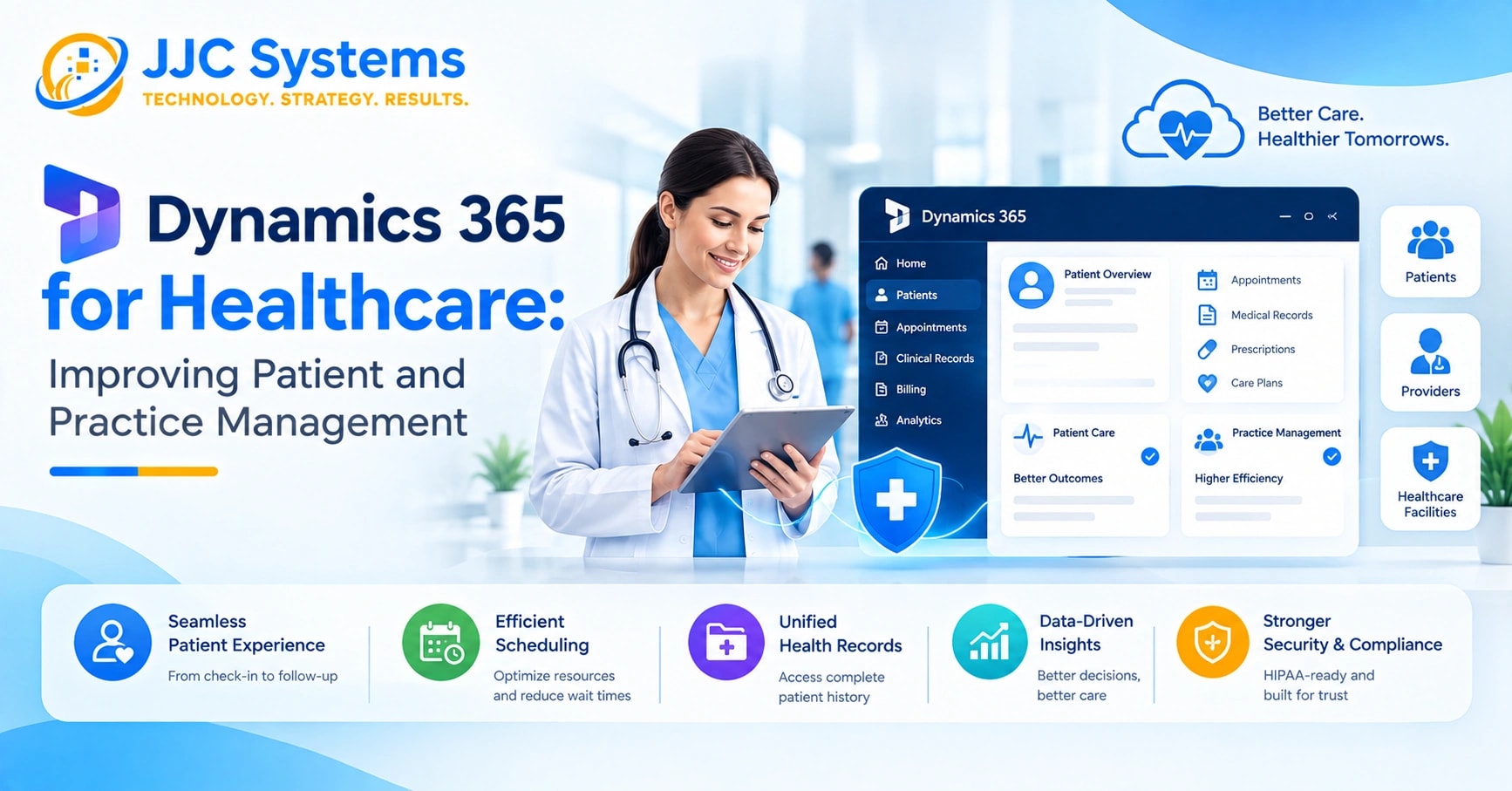
Can Dynamics 365 be used for healthcare practice management? Yes — as the CRM and operational layer for patient relationships, referrals, and care coordination, not as an EHR replacement. Here's what it actually does, and the compliance reality behind the marketing claims.
Healthcare organizations have a decade of casually shared links sitting in SharePoint. Copilot does not create that problem — it audits it, in public, on day one.